Water-Wise: Save WAter, Save Money, Save Wildlife
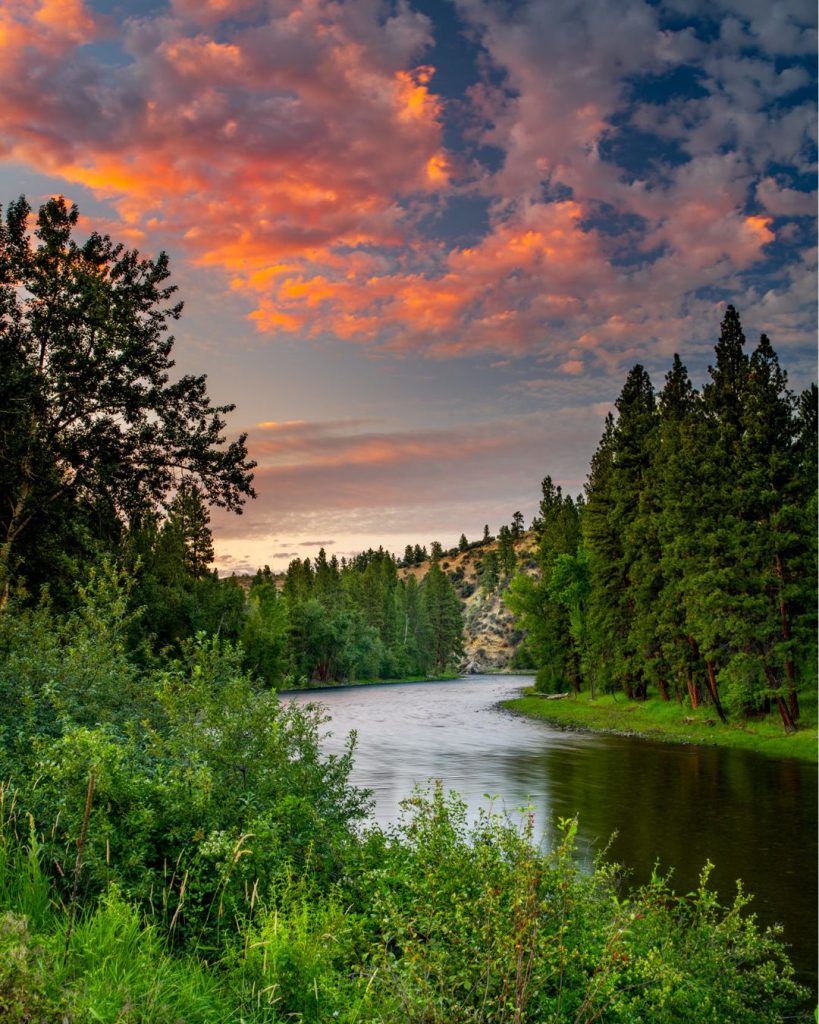
As a homeowner, a lot of pride goes into the maintenance and appearance of your lawns and gardens. Plant selection & appropriate water application is crucial to the health and beauty of your yard. It’s just as important to the health and beauty of our Valley!
Here you’ll find a collection of resources and programs that can help you conserve water from home, keeping our Bitterroot River clean, cool, and flowing. Explore the support opportunities below to find which is best for you – or a neighbor!
With a changing uses and pressures on our Bitterroot waters, and with less reliable water patterns, it’s critical for community members to be active in conservation.
Transitioning to a Water-Wise Landscape can reduce your summer water consumption by up to 50%. In our dry environment, where the Valley only receives 13 inches of precipitation each year, your contribution to community conservation matters. Your reduction in water use comes at a time when working lands, fish and wildlife, and our river-recreation economy needs it most.
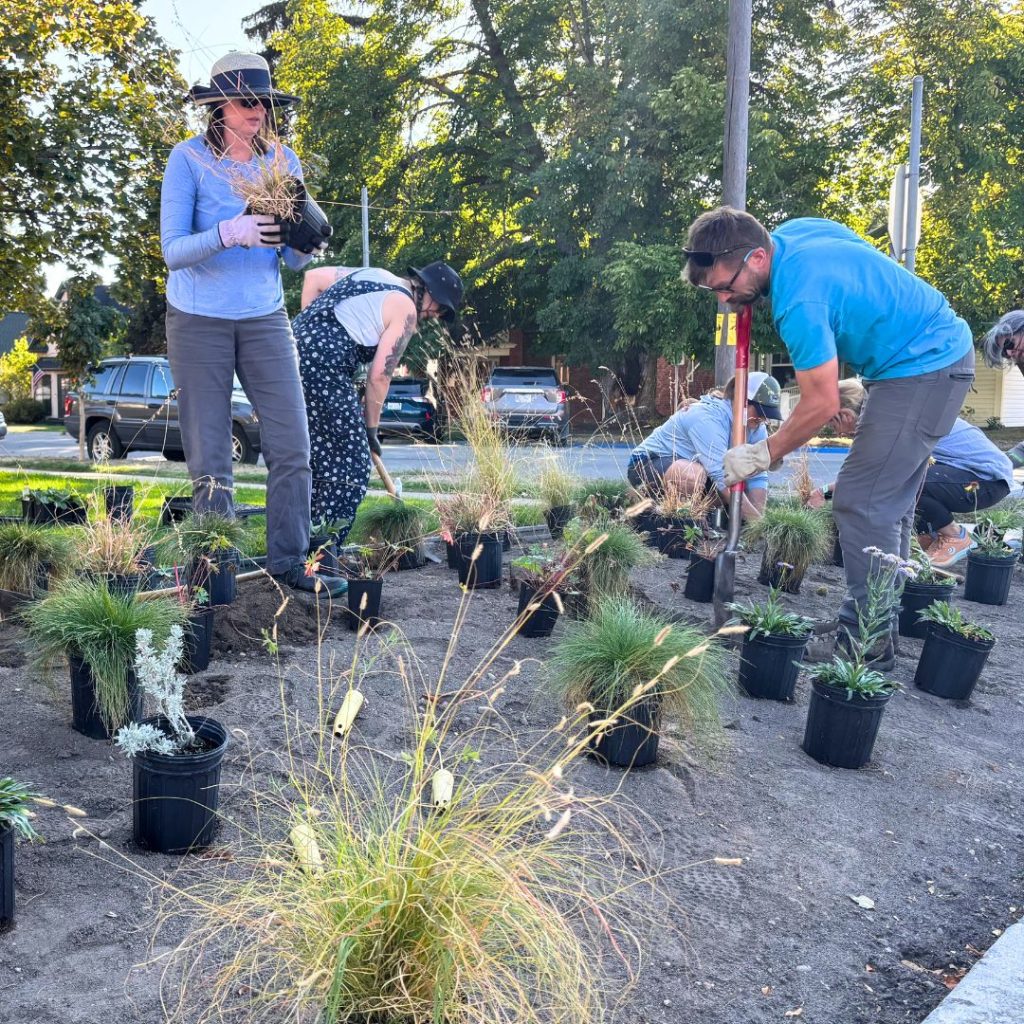
Workshop
Learn prep, planting, and care skills before transitioning your landscape. Offered in the Fall.
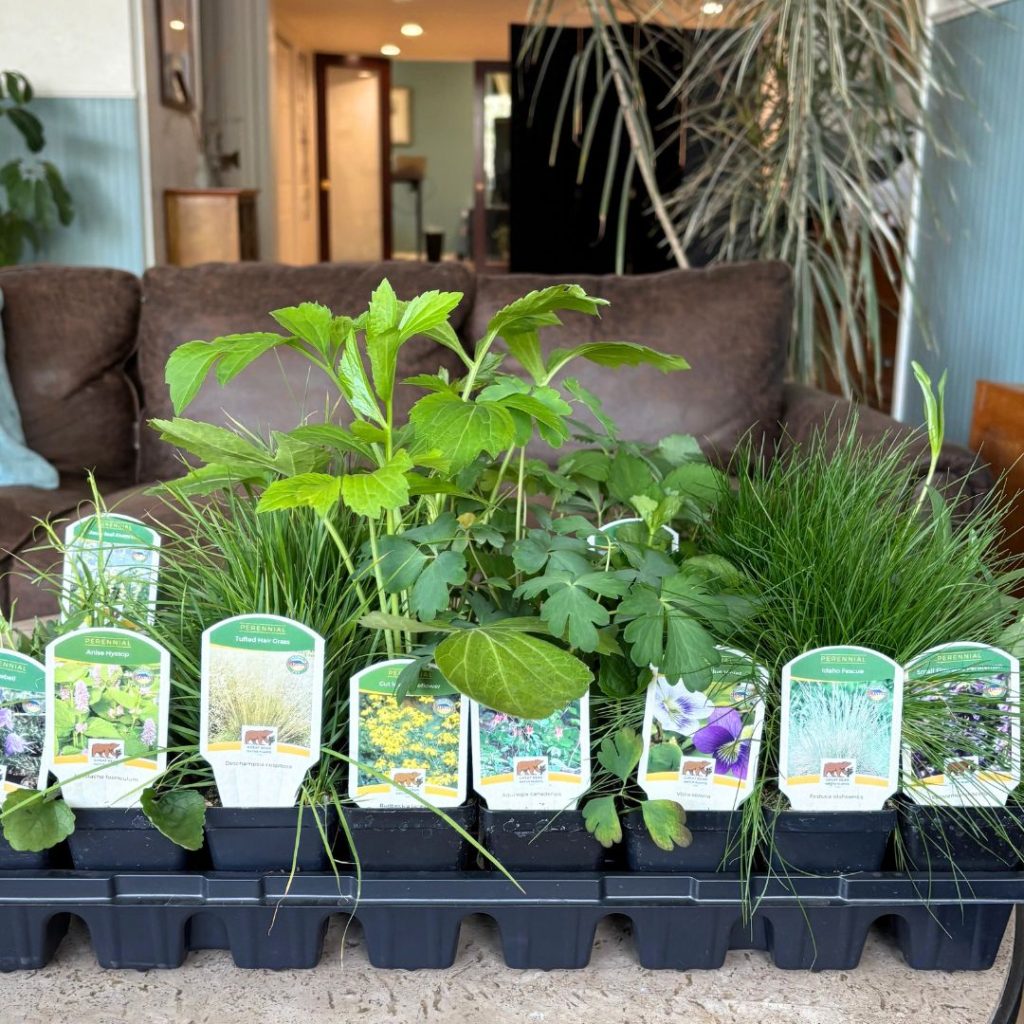
Plant Packs
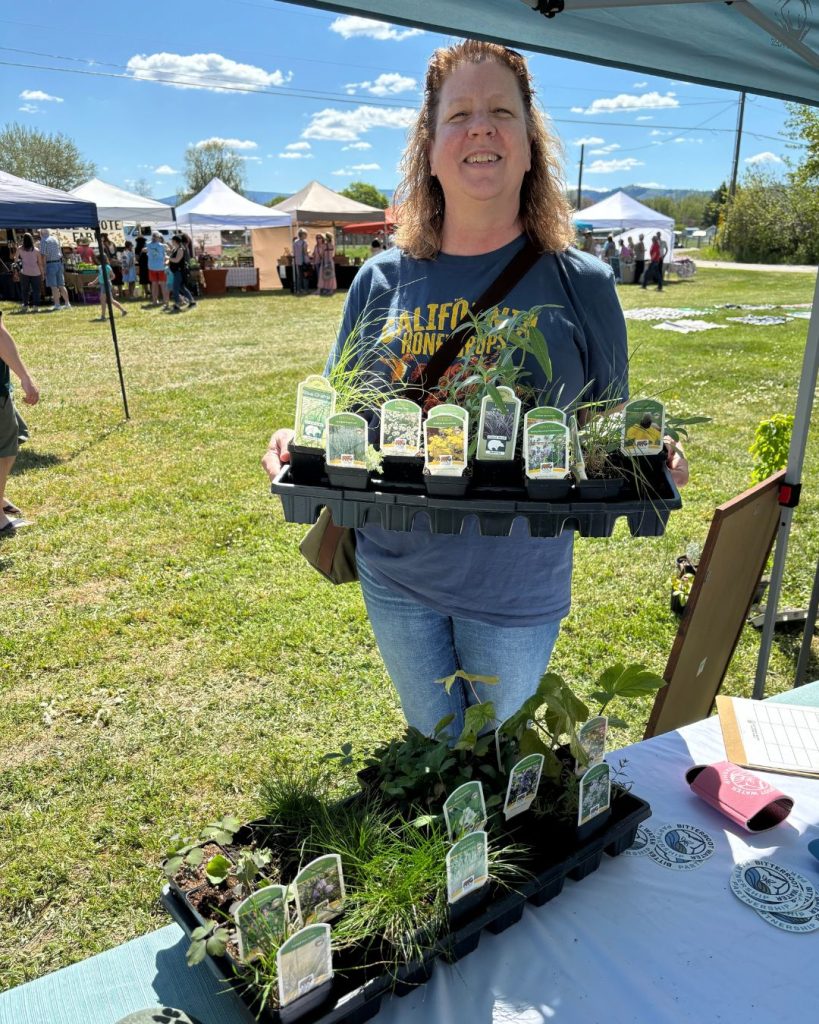
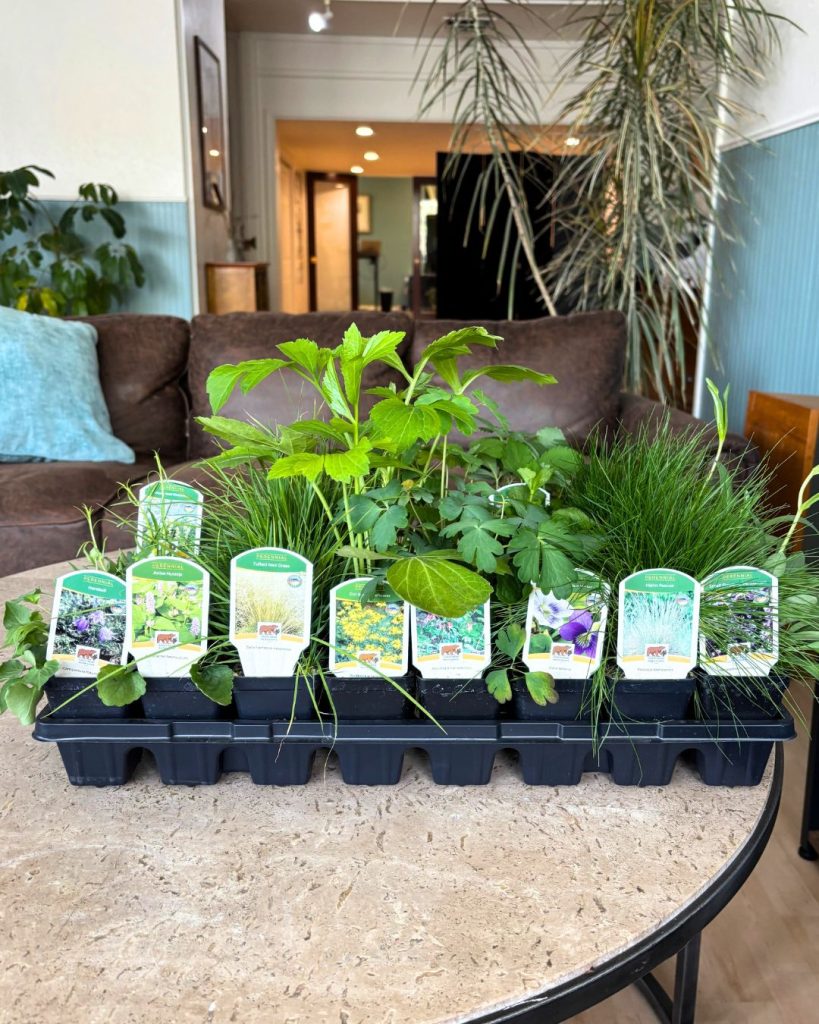
Get started with a pre-planned garden. Packs are for shade, sun, or butterflies and have 32 native plant starts & 10 species. Offered in the Spring.
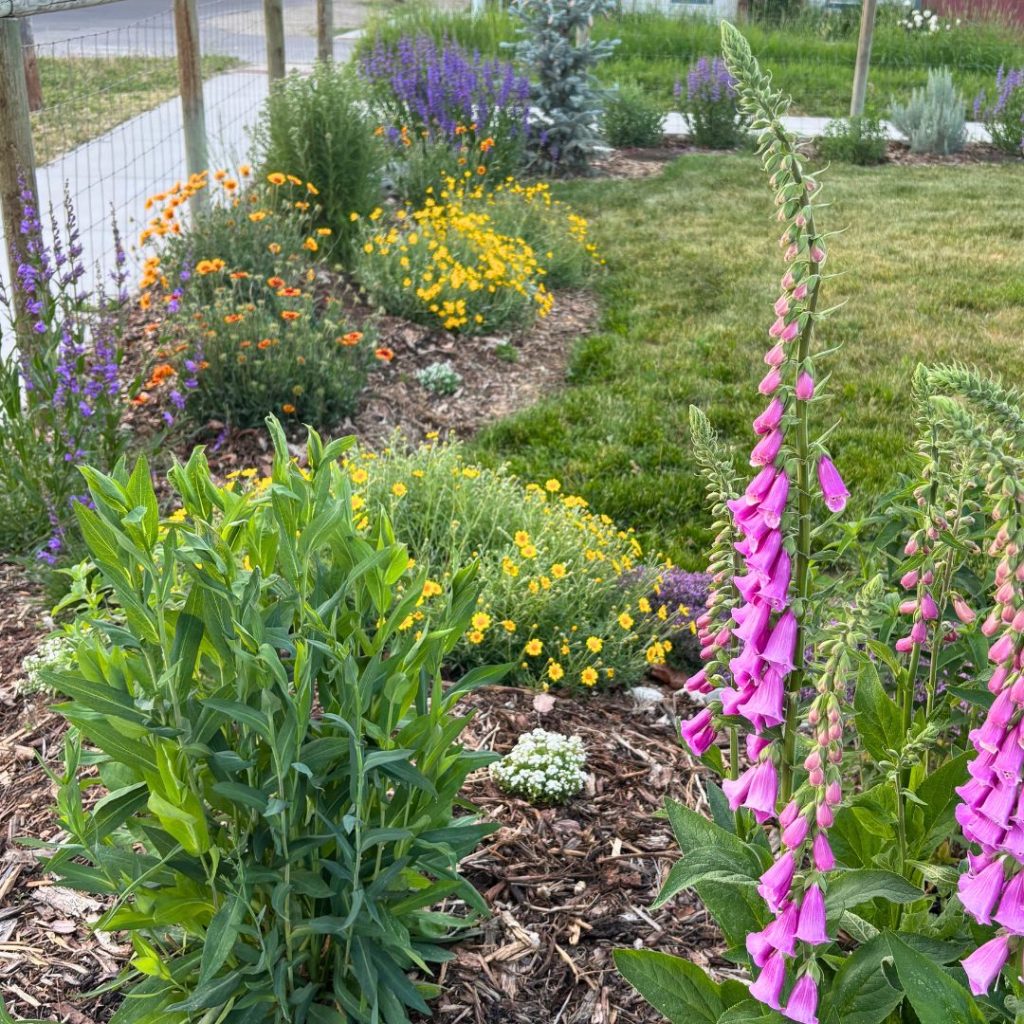
Demo gardens
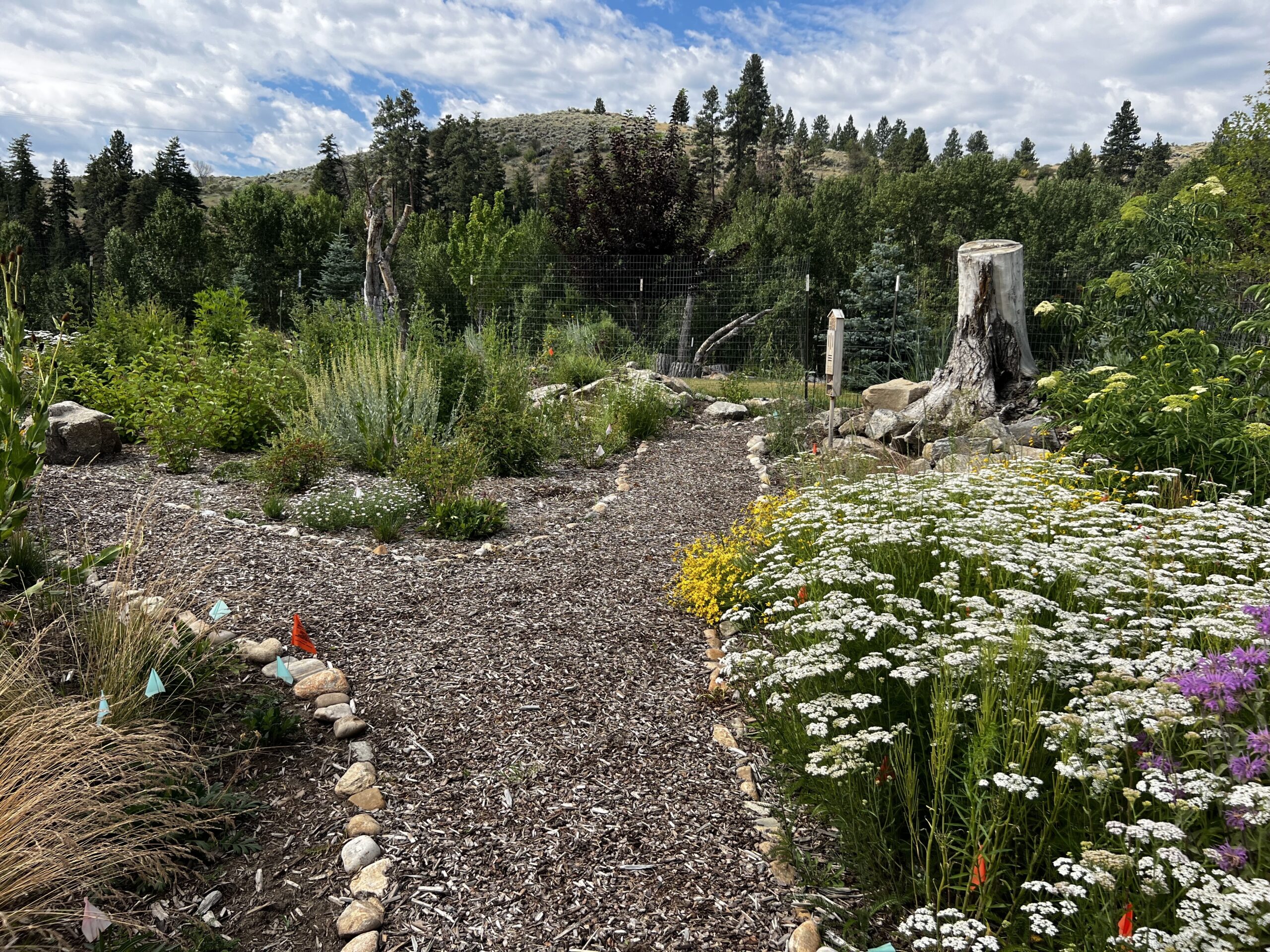
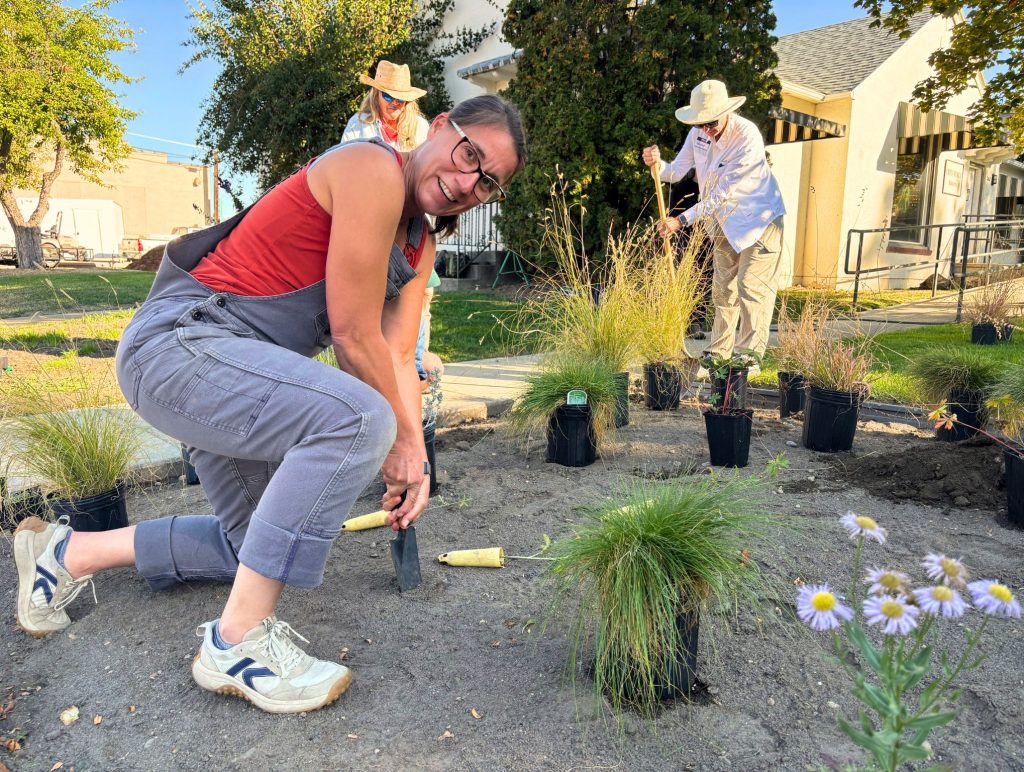
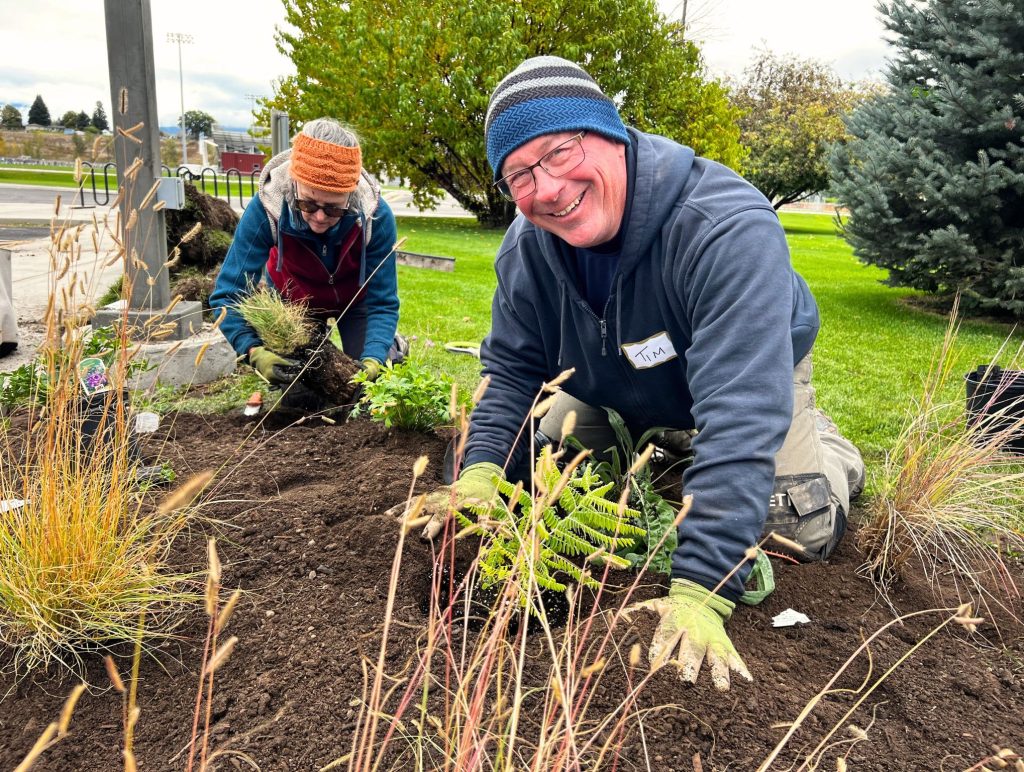
Visit a demonstration garden to find inspiration. Or, volunteer to install the next garden!
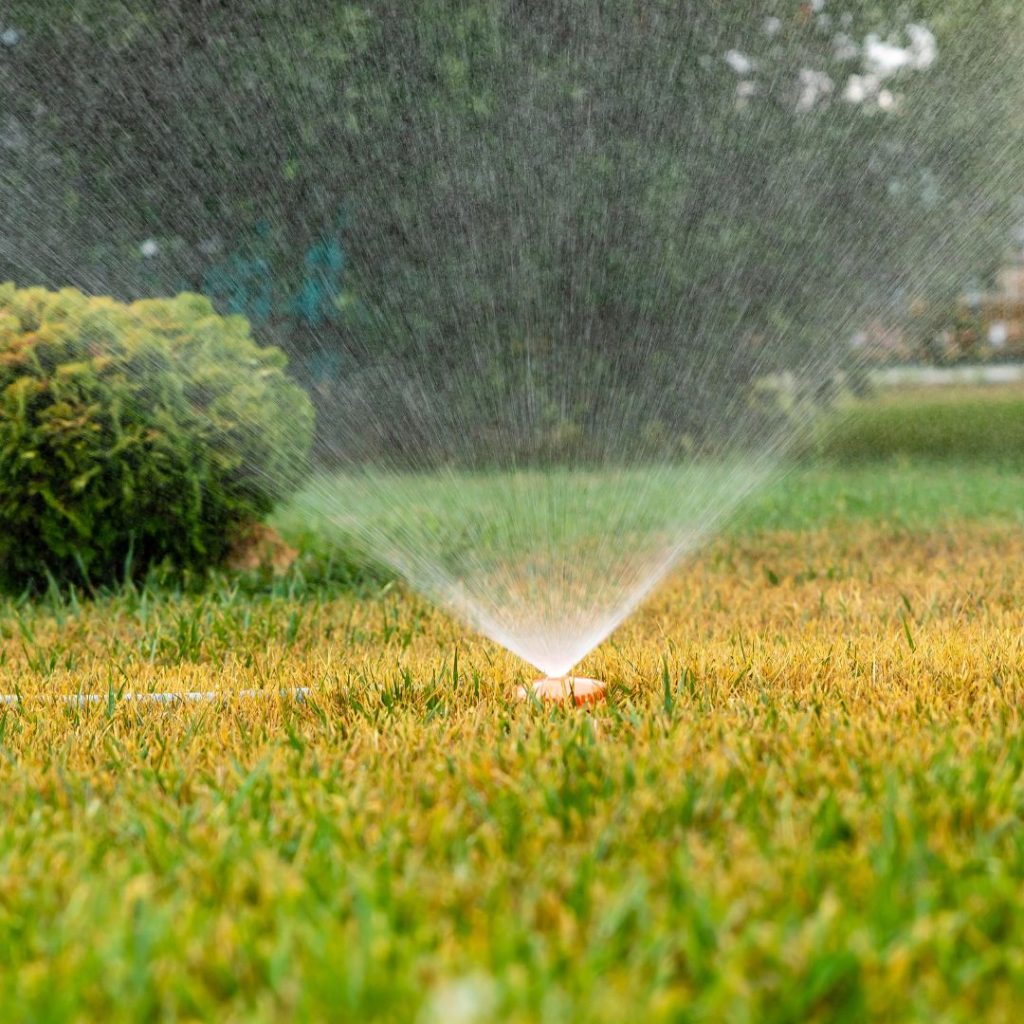
Water-Wise Lawn Kits
Get a free kit to quickly measure how much water you’re using on your lawn. Then, make simple adjustments to conserve our waters.
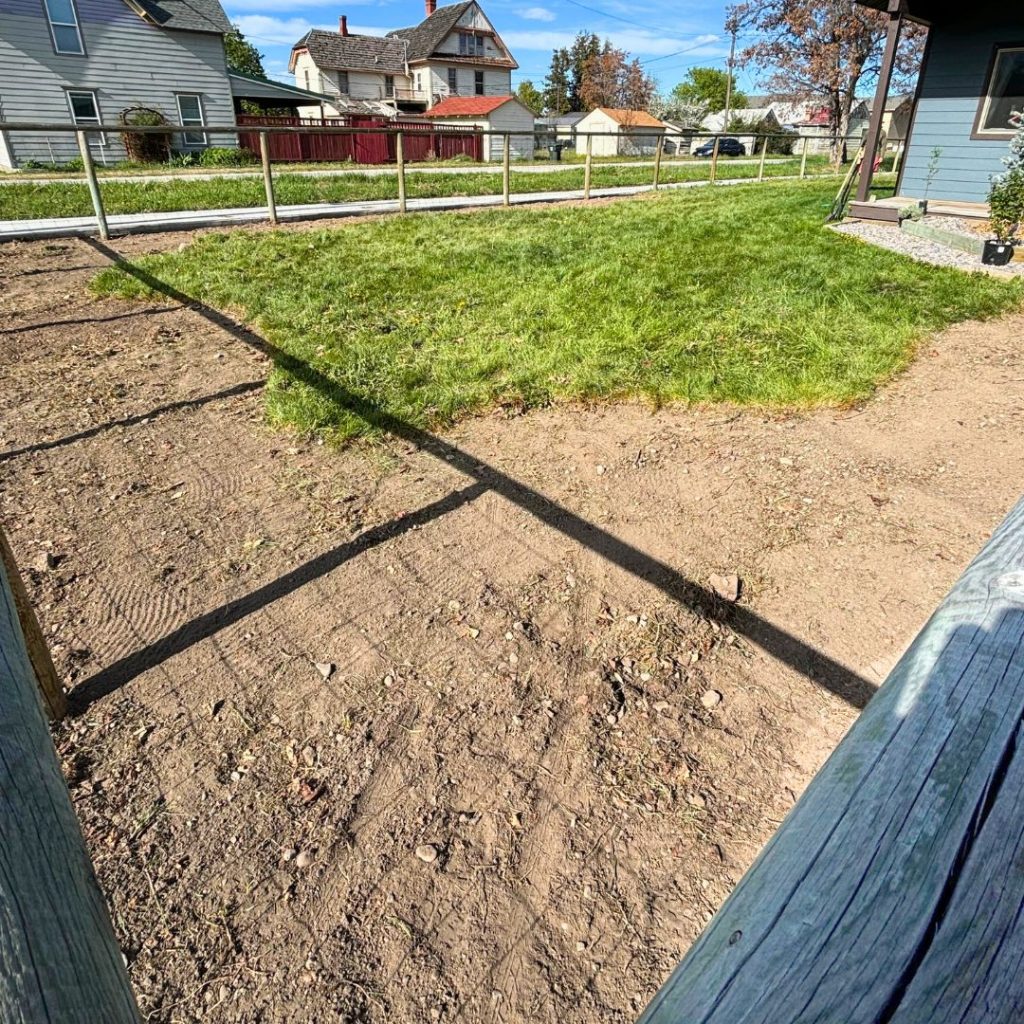
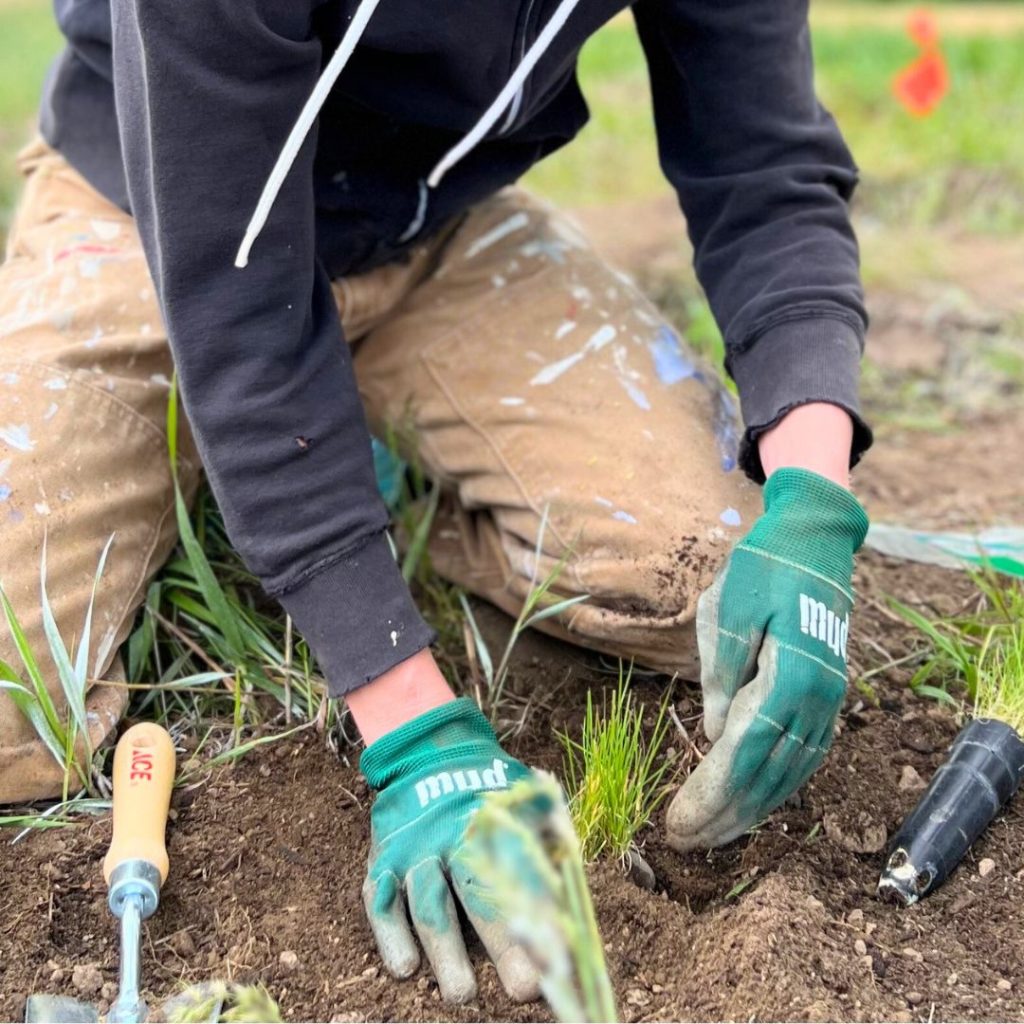
water-wise Landscapers
Want help designing or maintaining your landscape? Contact professional help.
Water-Wise Plant PAcks
If you have a yard – at home or at the office – you can significantly benefit water conservation by prioritizing native, drought-tolerant plants in your landscaping. Plus, regionally native plants are diverse and brilliant and, with the right preparation, are sure to make your outdoor spaces a delightful place.
A rainbow of blooms for the sunny, dry spot where nothing wants to grow! Blooms spring to fall.
Plot Size: 75 – 100 sq ft
Soil Type: Well-draining
Soil Moisture: Medium-Dry
Sun Exposure: Full Sun
# Plants: *16 or 32
# Species: *6 or 10
Hardy to USDA Zone 4
*SMALL and LARGE Packs available.
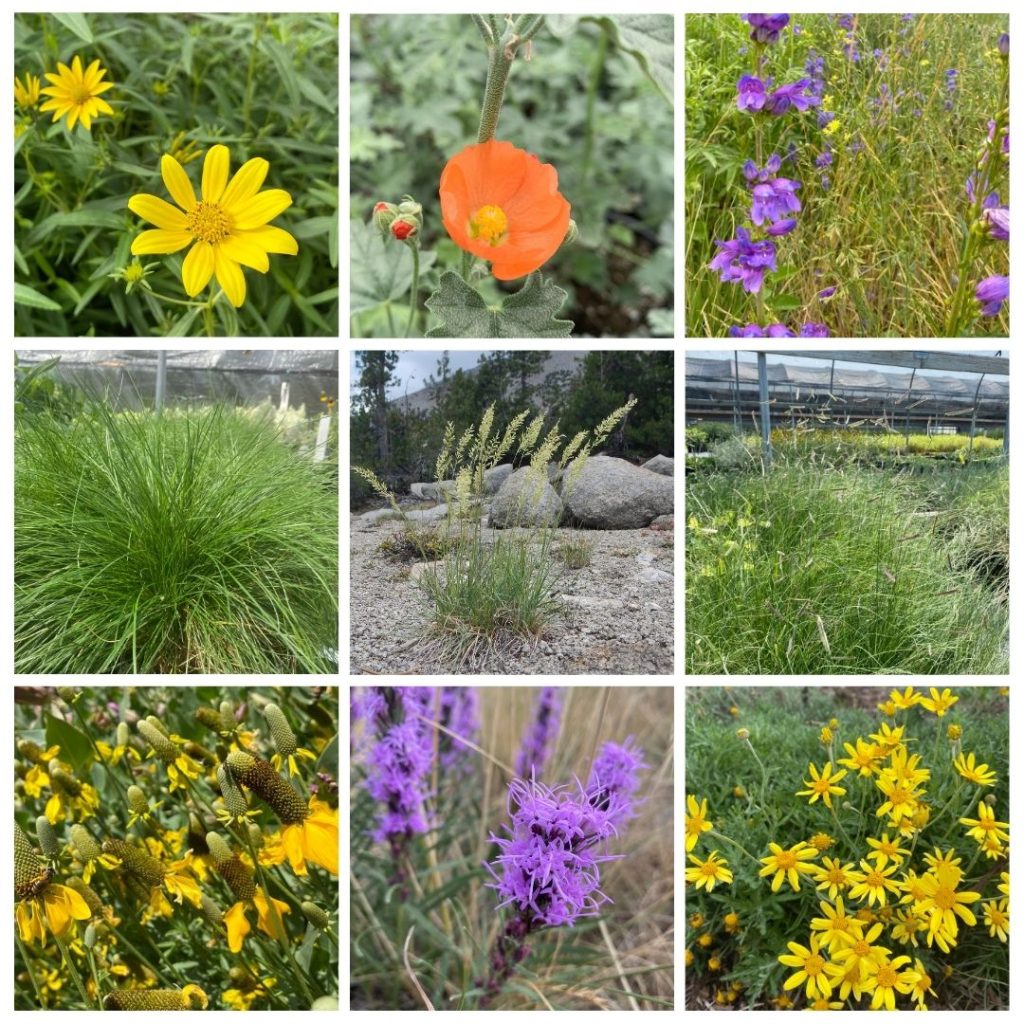
Small or Large Pack
Plants for a location with partial or dappled sunlight. Soft blues, pinks, purples and white, and a dash of yellow and red, create a soothing garden that will also support native animals and require minimal water. Blooms spring to fall.
Plot Size: 75 – 100 sq ft
Soil Type: Well-draining
Soil Moisture: Medium
Sun Exposure: Part Shade
# Plants: 32
# Species: 10
Hardy to USDA Zone 4
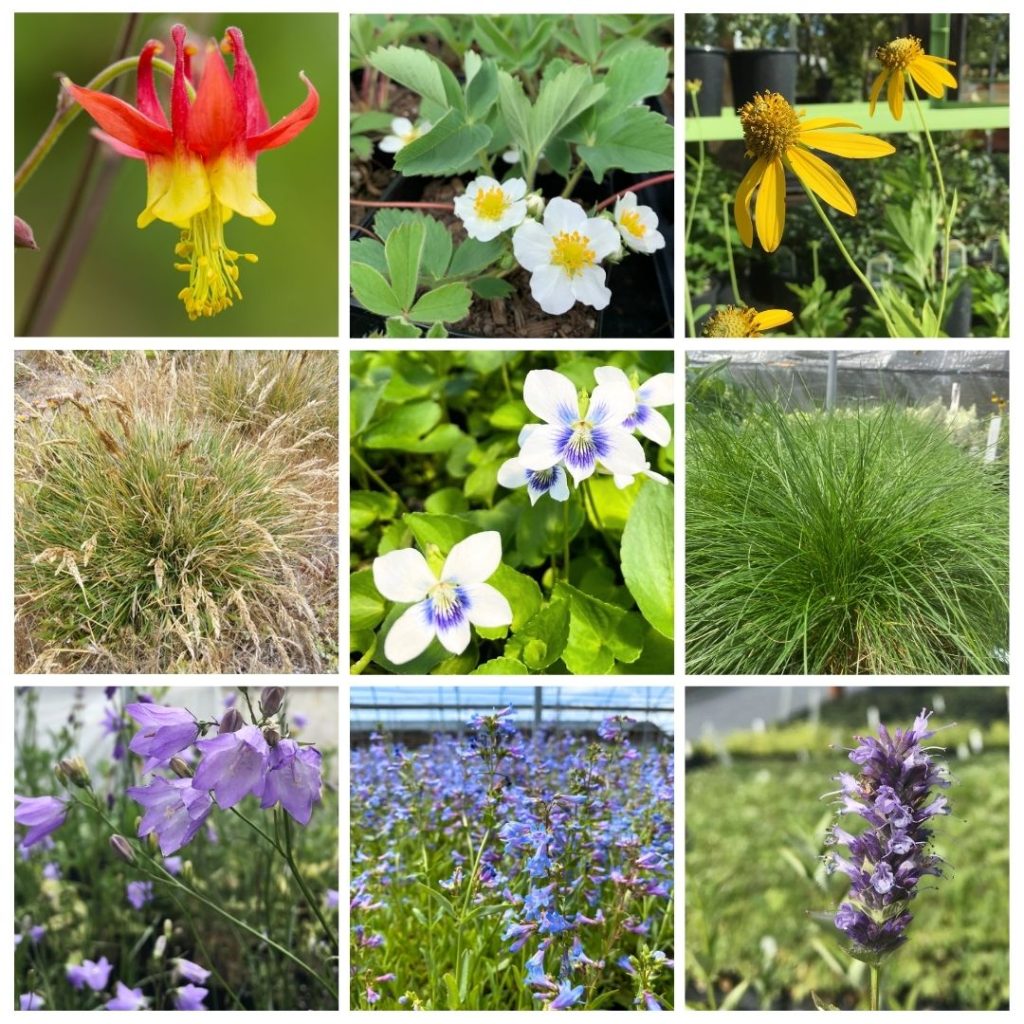
Watch butterflies and other pollinators flutter-by when this colorful wildflower garden takes hold in your yard. Pinks, purples and yellows will delight you and your delicate guests. Blooms late spring to late fall. Features milkweed for monarchs!
Plot Size: 75-100 sq ft
Soil Type: Well Draining
Soil Moisture: Dry – Medium
Sun Exposure: Full Sun
# Plants: 32
# Species: 10
Hardy to USDA Zone 4
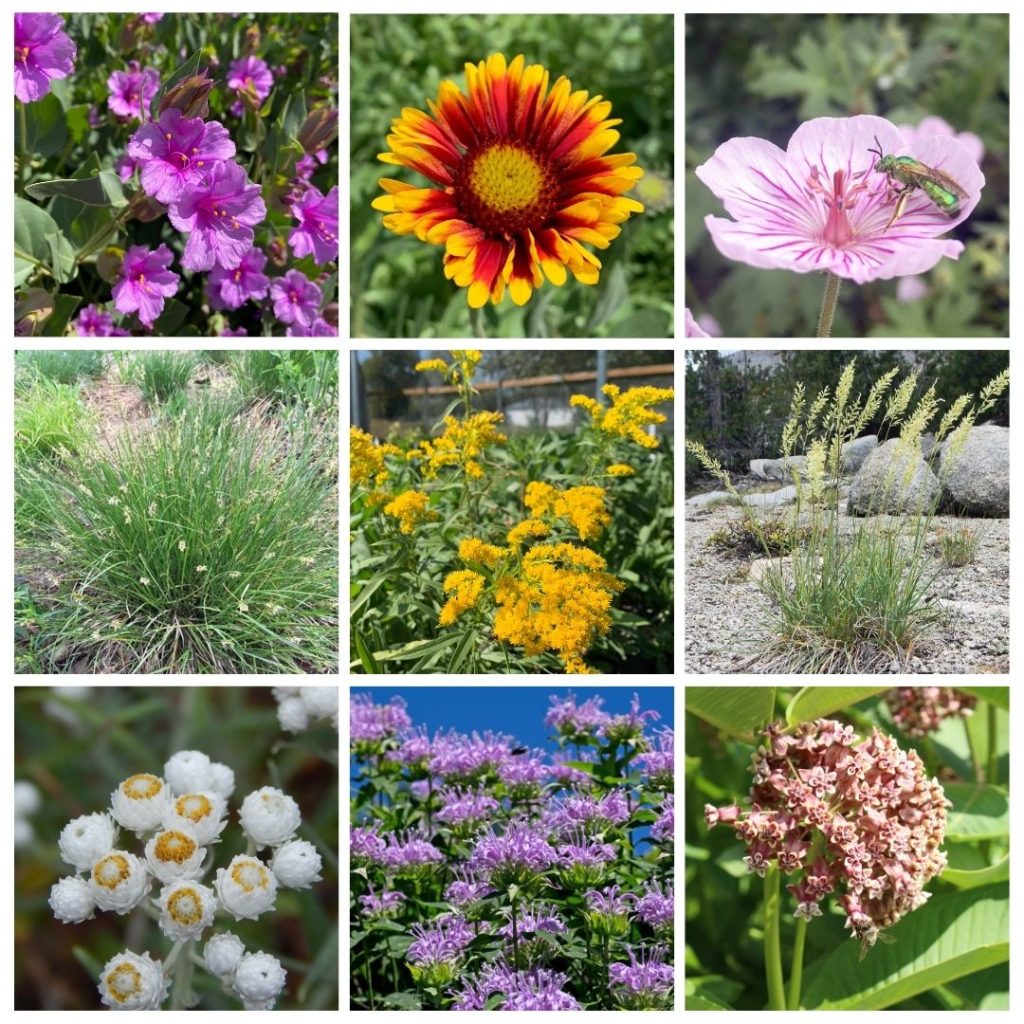
This seed mix is offered by Great Bear Native Plants. This “lawn” alternative is made for Montana. It features a mix of warm and cool season grasses and root-spreading grasses that help a lightly to moderately trafficked area to stay green throughout the growing season.
This mix includes 5 species common to the Bitterroot Valley and Western MT.
Red Fescue ‘Molate’
Sheep Fescue
Streambank Wheatgrass ‘Sodar’
Sandberg Bluegrass ‘High Plains’
Blue Grama ‘Hachita’
Suggested seeding rate: 5 lbs per 1,000 sq ft
Ordering Your Water-Wise Plant Pack
$79 / Pack of 32 Plants – $2.46 per plant!
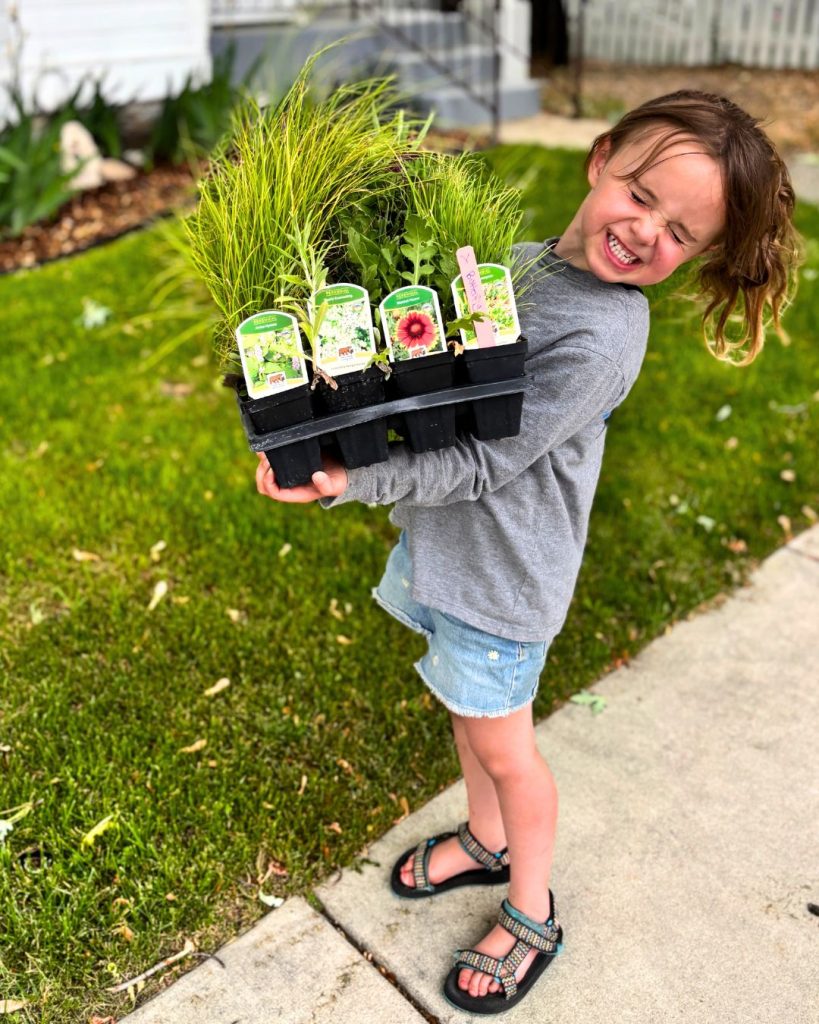
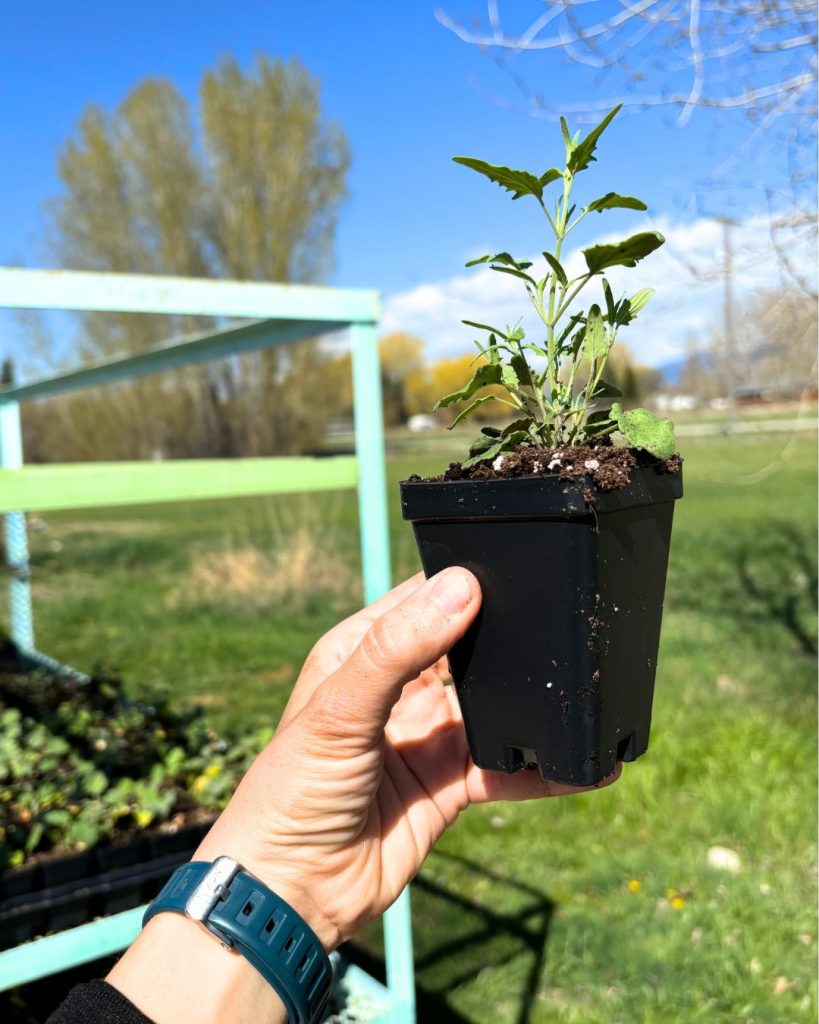
Each Pack includes curated selection of native species, with a diversity in bloom times, colors, and plant types to quickly and easily turn your yard into a vibrant and thriving native plant habitat. All plants are grown locally by Great Bear Native Plants.
You’ll find Packs for sunny and shady areas, and a special pack to attract butterflies (also for sunny areas). Each comes with detailed care and watering instructions and landscape design suggestions.
Packs can be PICKED UP in person on:
Saturday, May 16 | 9 – 12:30 pm in Hamilton
Monday, May 18 | 9 – 5 pm in Hamilton
More details about pick up will be emailed to you after purchase. Email alex@bitterrootwater.org for special pick up arrangements.
Water-Wise Landscaping Workshop
intimate instruction | Expert tips and Tricks | demo garden installation | connecting with fellow enthusiasts | snacks & refreshments | skills and knowledge training
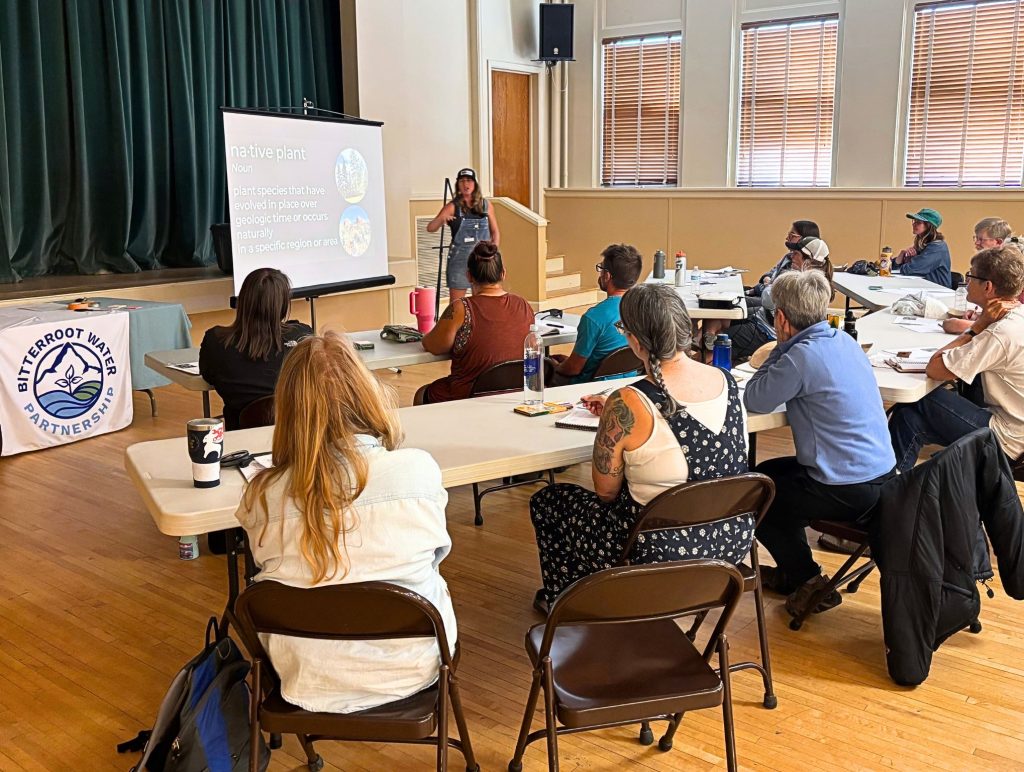
Join the Bitterroot Water Partnership and Great Bear Native Plants in our annual Water-Wise Landscaping Workshop to learn about landscaping with low-water native plants. This is a great (and fun!) learning opportunity for folks who are ready to take their skills, knowledge, and outcomes to the next level!
“Before the Water-Wise workshop, I knew I had an interest in native plant landscaping, but was too intimidated to tackle it. After attending this engaging workshop, I felt empowered to give it a go, and landscaped a section of my own home! I have so enjoyed seeing the results of our hard work flourish in my own yard this summer!” – Amanda B., 2023 Participant
Late september
2 PM – 4:30 PM | $24/person
This workshop contains the following learning components:
- Pre-workshop idea & practice development
- Feedback for your unique landscaping challenges, opportunities, and questions
- Instruction of key components to consider in preparation and maintenance
- Low-watering habits
- Question & Answer session
- Resources to take home
Your $24.00 registration fee covers instructor time, planting materials, workshop materials, refreshments, and snacks from a local business.
Workshop space is limited to 25 participants to ensure intimate instruction.
Water-Wise *lawn*Scape – watering Efficiency Kits
COMING SOON!
Easily measure your sprinkler output with a FREE Water-Wise Testing Kit! These Kits include everything you need to run this experiment at home. Then, adjust your watering schedule to practice “Deep Watering.”
KITS COMING SOON!
What is Deep Infrequent Watering?
Deep watering – Involves applying water thoroughly so it reaches deeper into the soil – roughly 6-8 inches deep.
Infrequent watering – Instead of watering every day, just water 1-2 times a week. This technique allows the soil to dry out in between waterings, which will let more oxygen reach the plant roots, making for a stronger lawn. By deeply and infrequently watering your lawn, you train roots to reach deeper into the soil as they search for water. These longer roots will make your lawn more tolerant to low-water conditions.
Shallow watering only reaches the top 3 inches of soil. It promotes shallow root growth, causing roots to be short and close to the surface. When the roots are short, they are less tolerant of drought and more susceptible to weeds and disease.
Instructions to ensure you are following DEEP and INFREQUENT watering are included in your Water-Wise Kit. And, you can download them here.
“When you’re dealing with drought, heat, or want to water your lawn wisely, remember: Water deep and smart, not shallow and often.”
eadline to include somewher
lawn replacement program
Lawn Removal Can be a PAIN in the Grass!
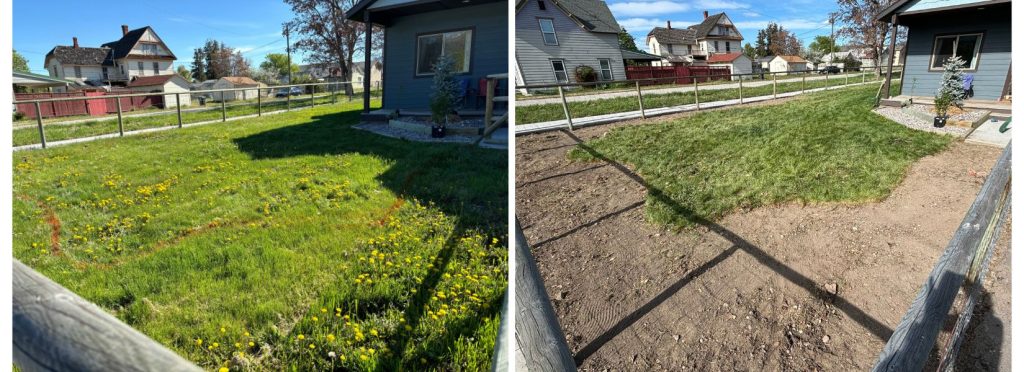
Don’t let that stop you from a Water-Wise, wildlife-friendly yard. If you’re ready to replace at least 250 square feet of water-intensive lawn with a drought tolerant landscape – we’ll remove your lawn for free! Apply by APRIL 6.
Water-wise landscaping consultants
Contact one of these local landscapers to guide your Water-Wise Transition!
WILDSCAPE – Landscape design, consultation, maintenance. Contact Amy Monteith at (406) 961-1944
monteithamy@gmail.com
Amy has worked for 17 years professionally in landscapes throughout the Bitterroot Valley, and for a lifetime in her own garden spaces. She has great experience and insight to important garden, landscape, and property design considerations. Wildscape utilizes organic gardening principles, with an emphasis on healthy soil building, using compost and organic mulches to improve soil and decrease water use.
Great Bear Native Plants – Visit the GBNP website to learn more.
GBNP offers consulting and design services for private and commercial properties for native plant selection, landscape design. For larger projects, we partner with local landscapers for plant installation, maintenance, hardscaping and other services.
Bloom Gardening with Amy Gladwin. We specialize in native plants! We design, install and maintain landscapes. Call Amy at 406-360-4589.
Please contact info@bitterrootwater.org if you’re a Water-Wise landscaper and would like to be included in this list.
Community benefits from your Water-Wise Landscape
Reducing Local Water Pollution
Less water in your yard means more water in our natural waterways.
Native plants are those plants that naturally and historically grow in an ecosystem or region. This means they thrive in local, natural conditions. Unlike cultivated plants or lawns, they don’t need high volumes of fertilizers, soil amendments, or water.
Temperature Pollution
Wildlife in the Bitterroot depend on cold-water streams. Keeping water in streams (not in your yard) helps them stay cool for species like trout who need cold water to survive. Streams in the Bitterroot are warming. You can help resolve this concern.
Low Flows
When too much water is removed for our uses – like watering our yards – in-stream water, or flow level, becomes so low that aquatic life and other important natural processes are damaged. Plus, low flows can lead to warm stream temperatures.
Chemical Pollution
Moving water picks up chemicals on its journey, carries them, and delivers them to larger water bodies. Too much chemical or fertilizer treatments added to lawns or gardens will easily absorb into the ground or wash off plants to end up in our waters.
Supporting Local Pollinators & Farmers
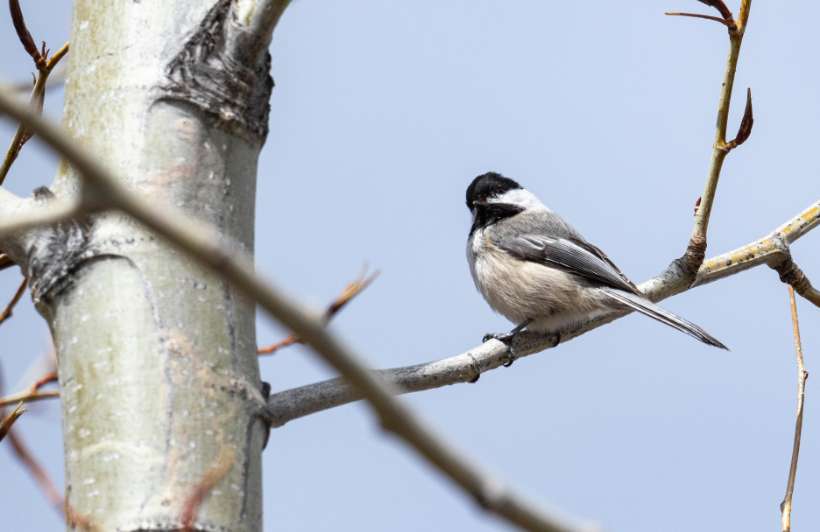
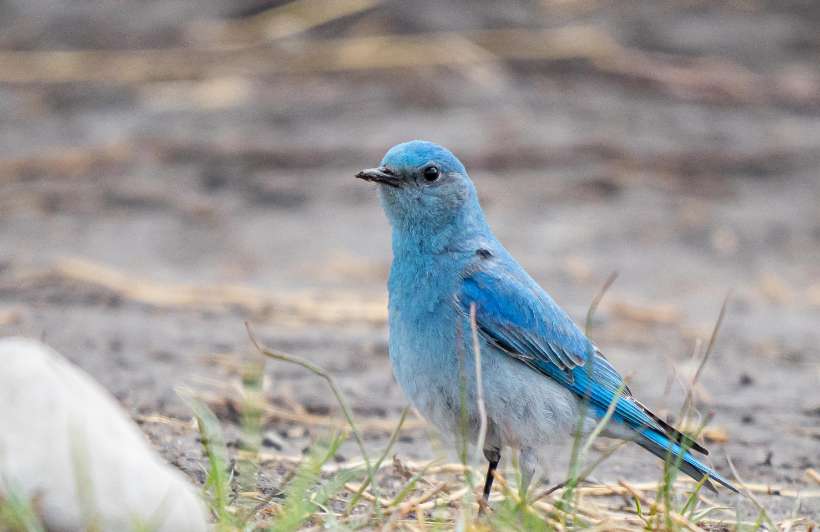
Native plants provide irreplaceable habitat and benefits to our local wildlife and natural areas.
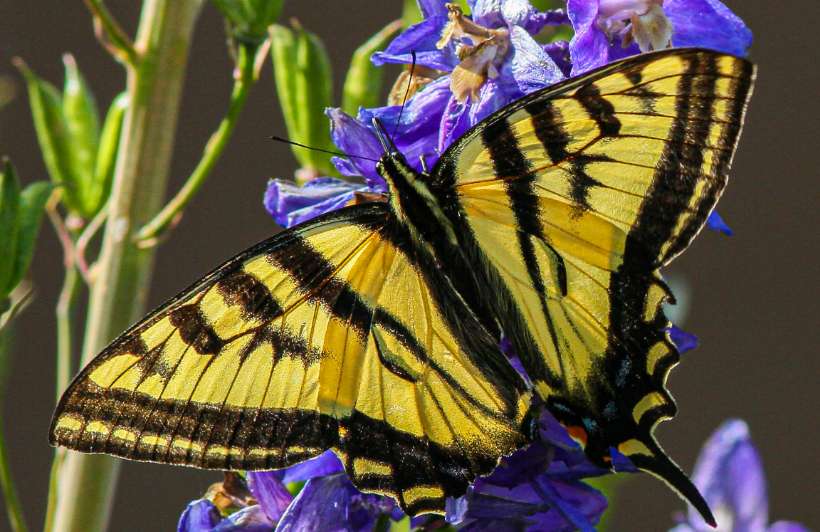
Native pollinators, like bees, birds, beetles, moths, and butterflies, have developed unique relationships and behaviors that can’t always be replicated by non-native species. Thriving pollinator populations require healthy native plant populations and, in turn, encourage stable natural systems and food production.
VISIT: DEMONSTRATION GARDEN
Map Coming Soon!