North Burnt Fork, Johnson Ranch
Home / Restoration Projects / North Burnt Fork, Johnson Ranch
Home / Restoration Projects / North Burnt Fork, Johnson Ranch
North Burnt Fork Creek
Return North Burnt Fork Creek to a natural, functioning relationship with surrounding land, Minimize streamside erosion in the project area, Provide adequate water levels for native streamside plants and fish to thrive, and Maintain sufficient livestock water access to the creek while minimizing negative impacts
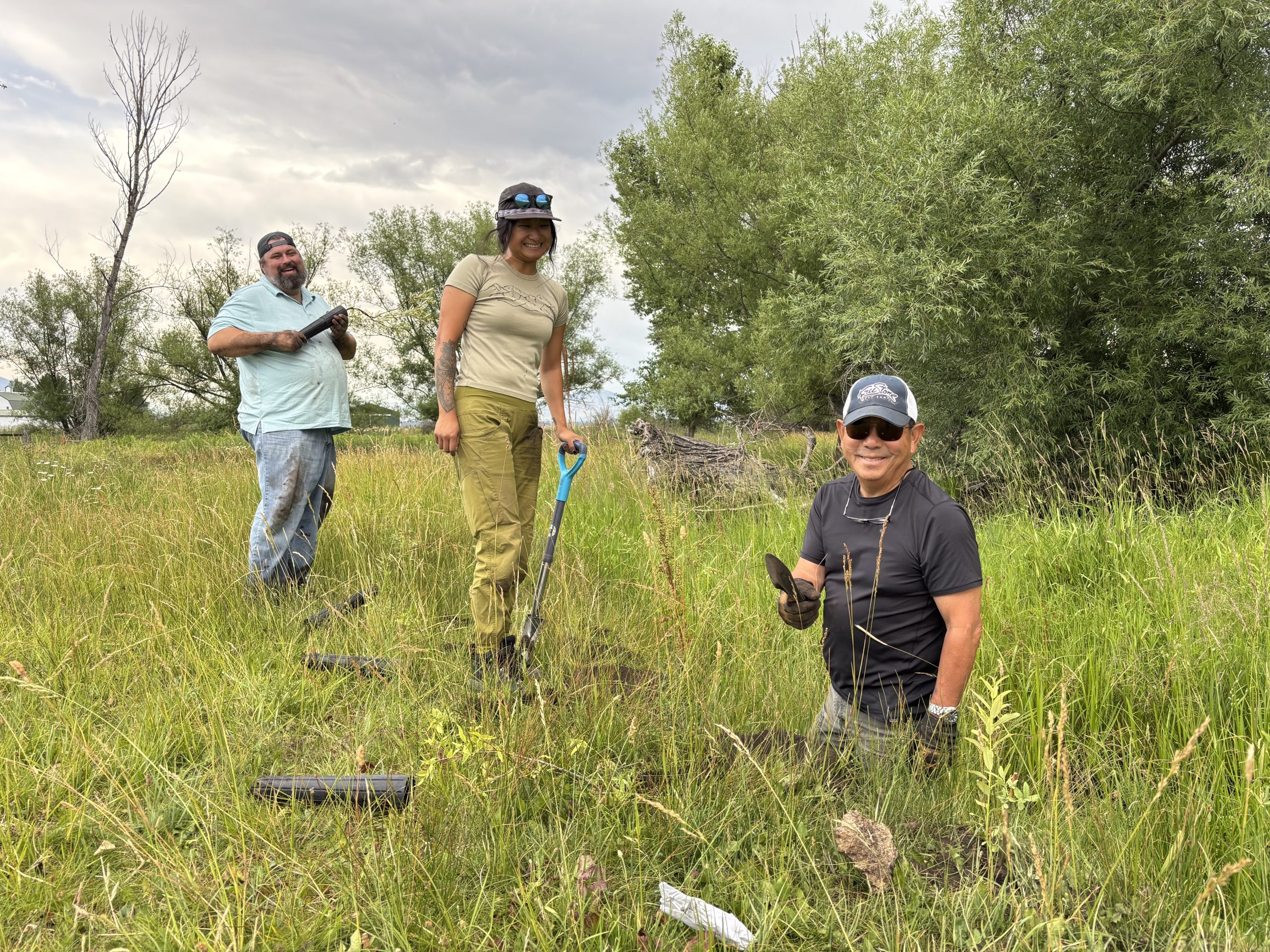
North Burnt Fork Creek is listed as an impaired stream by Montana Department of Environmental Quality. This means the creek does not support the various uses/benefits of the stream. Currently, the creek fails to support aquatic life and recreational use because of much of it’s streamsidess are eroding, polluting the waterway with sediment and causing loss of land for landowners. And, the stream water temperature is warming, threatening survival of aquatic life. To reduce further sediment pollution and encourage lower water temperatures needed for native trout and other wildlife, revegetation of North Burnt Fork’s streambanks is recommended. Bitterroot Water Partnership will collaborate with the Johnson family to aid in revegetation of their reach of North Burnt Fork.
To reduce further sediment pollution and encourage lower water temperatures needed for native trout and other wildlife, revegetation of North Burnt Fork’s streambanks is recommended. Bitterroot Water Partnership will collaborate with the Johnson family to aid in revegetation of their reach of North Burnt Fork.
Specific Objectives:
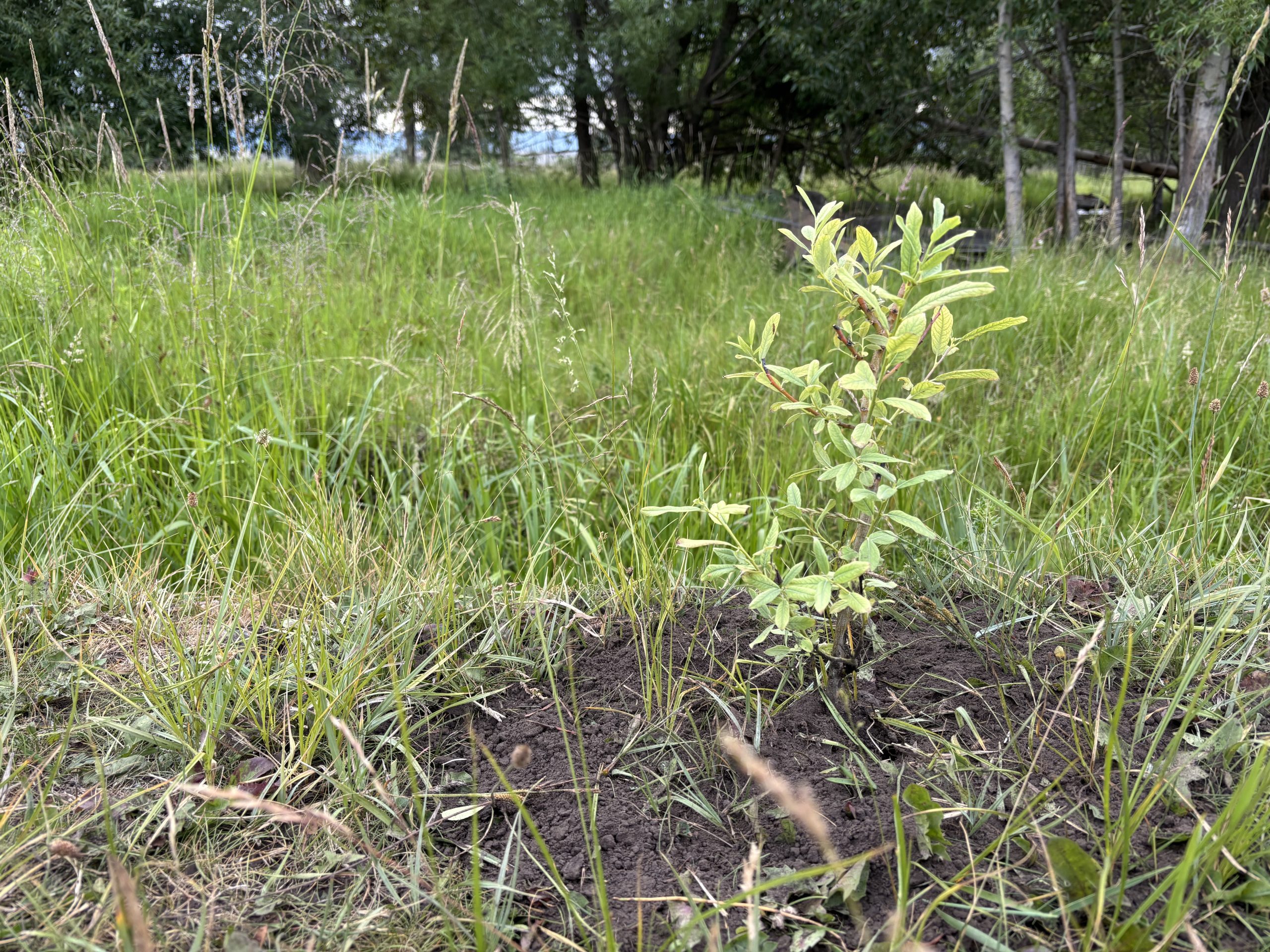
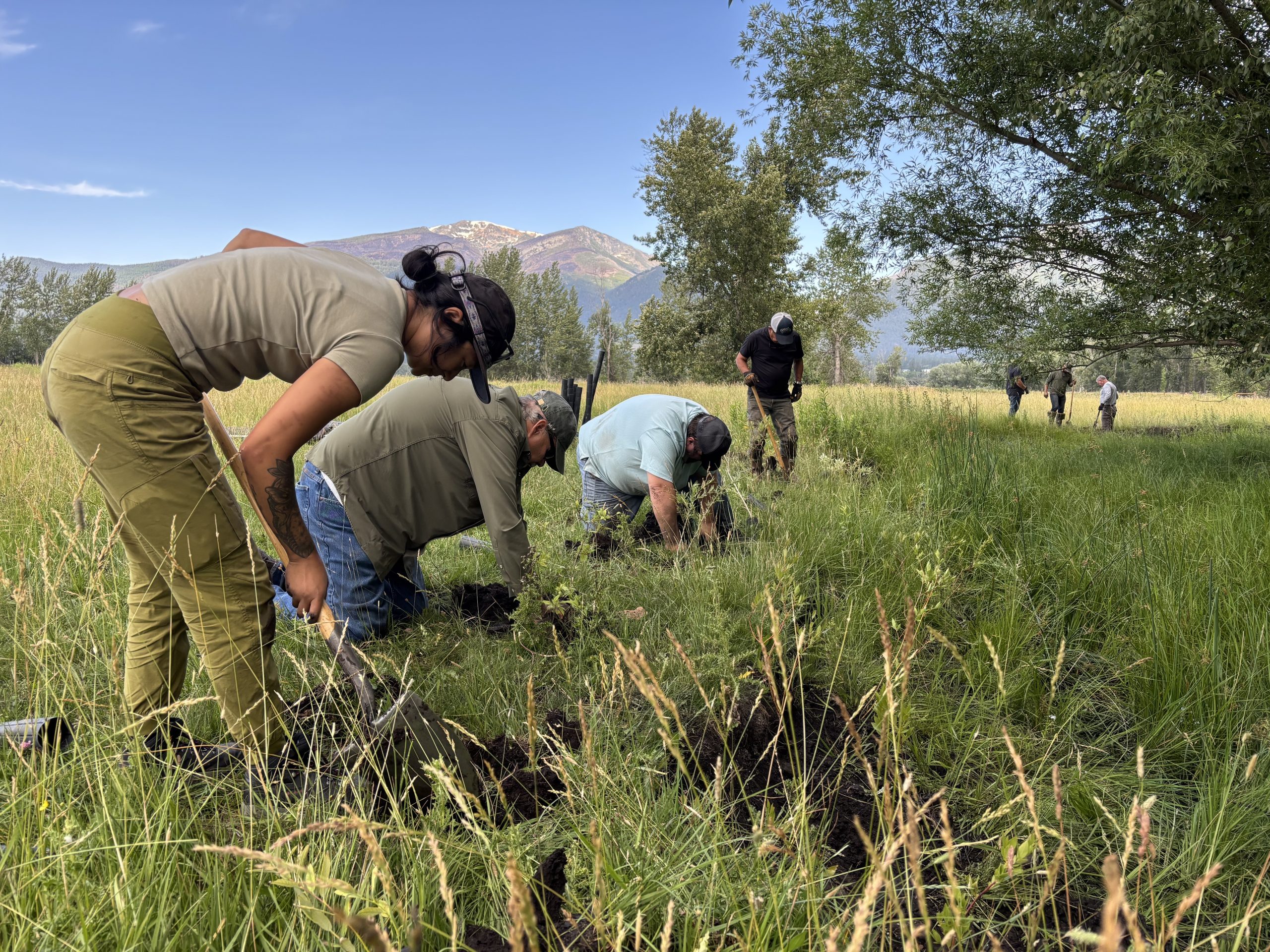
• Plant up to 450 linear feet of native plants along the streambank and strategic wetland edges within the property. Primary species will be native willows (Booth, Geyer, Coyote Willow, etc.)
• Install browse protection fence around plantings to minimize wildlife browse while the plants establish.
• Monitor restoration success before, during, and after project completion.
Benefits:
• Provide additional native plants to root and hold soil in place, and minimize erosion into the stream.
• Native willows and other plants can help hold water in the soil longer, improving native and crop plant growth over time and lessening irrigation needs.
• Additional vegetation acts as a filter for water runoff, absorbing nutrient (nitrogen, phosphate, etc) and sediment that would otherwise flow downstream.
• Additional vegetation also creates more shading, which helps maintain cooler water temperatures for native fish such as Bull trout and Westslope Cutthroat trout.
2025 – 2028
Montana DEQ, Johnson Family